
Physiotherapy — Move Better, Live Stronger
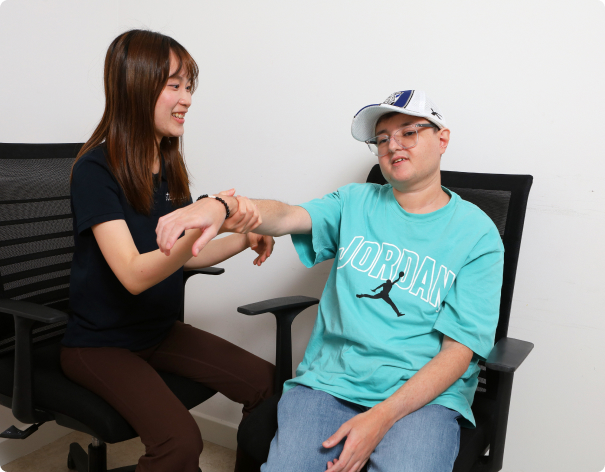
Physiotherapy for Children, Adults and NDIS Participants
Our physiotherapists help children and adults improve movement, strength, balance and coordination — supporting greater independence and participation in everyday life.
- Paediatric physio for gross motor delays and developmental conditions
- Rehabilitation, mobility and falls prevention for adults and older Australians
- Hydrotherapy referrals, equipment prescription and exercise programs
How Physiotherapy can help
Physiotherapy supports movement, strength, and daily function through guided exercises, rehabilitation, and education.
It may help with:
- Musculoskeletal
Back and neck pain, joint pain, sports injuries, post-surgical rehabilitation, arthritis
- Neurological & disability
Cerebral palsy, stroke, acquired brain injury, spinal cord injury, developmental delay
- Cardiorespiratory
Chronic lung disease, post-COVID recovery, breathlessness management and fitness reconditioning
- Paediatric
Developmental concerns, Osgood-Schlatter disease, coordination disorders, growth-related conditions
- Aged care & falls
Falls prevention, strength and mobility, home safety assessment, frailty management
- Workplace injuries
Workers compensation, return-to-work planning, ergonomic assessment, SIRA-managed claims

Benefits of Physiotherapy
Reduce and manage pain

Physiotherapy Assessments
Initial physiotherapy assessment
- Comprehensive intake and history
- Postural and movement analysis
- Strength and range of motion testing
- Goal setting and care plan development
- Funding pathway review (NDIS, Medicare, PHI)
Functional capacity assessment
- NDIS functional capacity evaluation
- Capacity for work or community participation
- Equipment and assistive technology needs
- Report writing for NDIS planning purposes
Paediatric assessment
- Developmental milestone evaluation
- Gross motor skills and gait analysis
- Musculoskeletal screening
- School and community participation goals
- Parent/carer education and guidance
Home & environment assessment
- Home safety and hazard identification
- Mobility and access assessment
- Recommendations for home modifications
- Falls risk screening
- Support for aged care planning
Rehabilitation and Recovery
A structured path back to your best
- Acute management and pain relief
Managing inflammation, pain, and early movement in the days and weeks following injury, surgery, or a significant health event. Hands-on therapy, education, and gentle activity.
- Strength and Function restoration
Progressive exercise prescription to rebuild strength, stability, coordination, and endurance. Programs adapted for home, gym, or community settings.
- Independence and Participation
Translating clinical gains into real-life outcomes to return to work, sport, school, or community activities. Goal-directed and meaningful to you.
- Long-term Maintenance and prevention
Sustaining progress and preventing setbacks through ongoing support, self-management strategies, and regular review, particulalry important for NDIS and aged care participants.

Meet Our Physiotherapy Team

Shraddha
Physiotherapist
Funding Options
Aged Care
See Detailsby Department of Criminal Justice
See DetailsClaim Back on Your Insurance
See Detailsby Department of Veterans’ Affairs
See DetailsMedicare and Allied Health
See DetailsWhat is NDIS?
See DetailsWhat is SIRA?
See DetailsFrequently Asked Questions
Physiotherapy may support adolescents and adults experiencing mobility challenges, injuries, disabilities, neurological conditions, or reduced physical function.
The difference between physiotherapy and chiropractic lies in their scope of practice and treatment approaches. Physiotherapy focuses on movement, exercise therapy, functional rehabilitation, and education to support physical capacity, while chiropractic care typically focuses on spinal adjustments and manual techniques related to musculoskeletal alignment.
The length of a physiotherapy session depends on the type of appointment and individual needs. Initial assessments are usually longer to allow for history taking and goal discussion, while follow-up sessions are typically shorter and focused on reviewing progress and guided exercises.
Physiotherapy can help with mobility challenges, injury recovery, balance concerns, neurological conditions, developmental delays, and general physical function. It may also support strength, coordination, and participation in daily activities across home, school, work, and community environments.
The time required for physiotherapy varies depending on the individual’s goals, condition, and level of support required. Some people may require short-term intervention, while others may benefit from ongoing sessions aligned with their NDIS plan or broader rehabilitation needs.
Physiotherapy in Parramatta & Bankstown