
Art Therapy — Expression, Healing and Growth Through Creativity
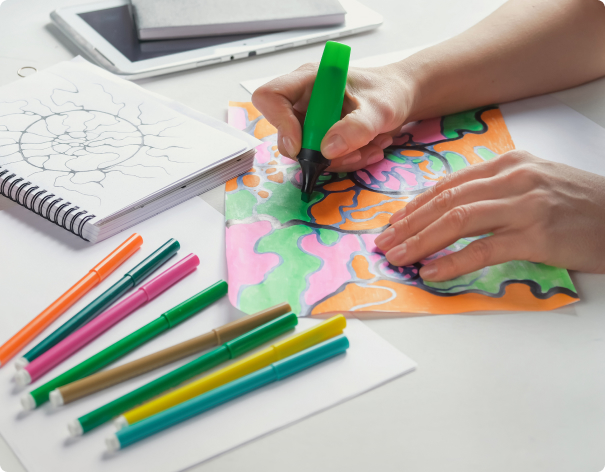
Creative Therapy for Emotional Expression and Growth
No artistic skill required — just an open mind. Our art therapists use creative processes to help children and adults express emotions, process experiences and build confidence in ways words sometimes can’t.
- Supports emotional regulation, trauma recovery and self-expression
- Ideal for children and NDIS participants who find talk-based
therapy challenging - Individual and small-group sessions in a safe, judgement-free space
What We Do
- Individual Art Therapy
One-to-one sessions tailored to personal goals, using creative processes to support emotional expression, regulation, and communication in a structured therapeutic setting.
- School-Based Art Therapy
Art therapy delivered within the school environment to support emotional regulation, peer interaction, and classroom engagement, in collaboration with families and educators where appropriate.
- Art Therapy for Mental Health
A supportive space to explore thoughts, feelings, and experiences through creative processes, helping individuals develop practical coping strategies and build resilience in everyday life.

Benefits of Art Therapy
Emotional Expression
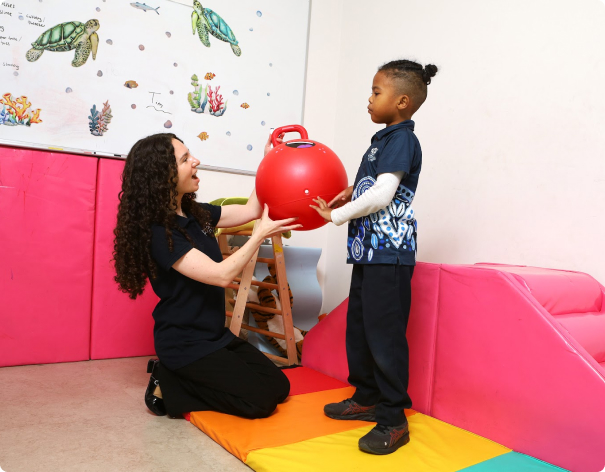
Art Therapy Assessments
- Acrylic and water colour painting
Expressive medium for exploring emotions, building focus and developing fine motor skills
- Beading
Support concentration, fine motor development and sequencing skills
- Colouring
Promotes relaxation, attention, and hand-eye coordination
- Clay
Provides rich tactile and sensory input, supporting emotional expression, hand strength, and creativity
- Drawing (pencils, charcoal, pastels, and ink)
Provide an accessible and expressive medium for exploring emotions, building concentration, and developing fine motor control
- Collage (cutting, tearing, and arranging paper, fabric, and found materials)
Supports creativity, decision-making, and self-expression
- Sculpture and 3D construction (building with cardboard, wire, recycled materials)
Encourages problem-solving and spatial awareness
Funding Options
Aged Care
See Detailsby Department of Criminal Justice
See Detailsby Department of Veterans’ Affairs
See DetailsMedicare and Allied Health
See DetailsClaim Back on Your Insurance
See DetailsWhat is NDIS?
See DetailsWhat is SIRA?
See DetailsFrequently Asked Questions
Art therapy may support emotional regulation, communication, participation, and mental health. Sessions are aligned with individual goals and support plans.
No. Art therapy focuses on the process of creative expression rather than artistic ability or outcomes.
Art therapy is guided by therapeutic goals and structured around participation, emotional expression, and wellbeing. The focus is on the process and individual support rather than artistic technique or finished artwork.
Suitability is discussed during an enquiry or intake conversation. Our team considers individual goals, support needs, and funding arrangements before recommending a service pathway.
Art Therapy in Parramatta & Bankstown