
Occupational Therapy in Western Sydney — Building Skills for Everyday Independence

NDIS Occupational Therapy for Children and Adults
Our NDIS-registered occupational therapists help children and adults develop the skills they need for daily living, learning, play and work — with flexible delivery that meets you where you are.
- Paediatric and adult OT, including sensory processing, fine motor
skills and self-care - Functional capacity assessments, home modifications and
assistive technology - NDIS, Medicare, DVA, aged care and private health funding accepted
How do you know if you need Occupational Therapy?
- Functional Capacity Assessments
Comprehensive assessments to understand abilities, identify supports, and guide meaningful NDIS outcomes.
- Paediatric OT & Developmental Support
Helping children build the skills they need to play, learn, grow, and thrive.
- Fine Motor & Handwriting Support
Improving hand strength, coordination, and confidence for writing and everyday tasks.
- Sensory Processing Therapy
Supporting children to better understand and manage sensory experiences in daily life.
- Daily Living & Independence Skills
Building practical skills for everyday routines like dressing, eating, and self-care.
- Assistive Technology
Finding the right tools and equipment to increase independence and participation.
- Home & School Modifications
Practical environmental changes that make everyday spaces safer and easier to navigate.
- NDIS Reports & Goal Planning
Clear, evidence-based reports and goal planning to support your NDIS journey.

Benefits of Occupational Therapy
Improved Daily Living Skills

Occupational Therapy Assessments
Everyday function & NDIS capacity
- Functional Capacity Assessment (FCA)
A detailed OT functional assessment that evaluates how a person manages daily living activities across home, community, and social settings. Reports outline functional strengths, areas of support, and recommendations aligned with NDIS planning and review processes.
- Independent Living & Daily Skills Assessment
Assesses skills related to personal care, household tasks, budgeting, transport, and community participation. The report documents support needs and practical strategies to improve daily functioning.
- Supported Independent Living (SIL) & Specialist Disability Accommodation (SDA) Assessments
Evaluates support requirements for shared living or specialist housing arrangements. Documentation addresses functional needs, supervision levels, and environmental considerations in line with funding criteria.
Developmental & school-based assessments
- Fine motor skills assessment
Evaluates hand function, coordination, and task performance for writing, self-care, and tool use. Recommendations may include environmental adjustments, task modifications, and therapy strategies.
- Gross motor skills assessment
Assesses balance, coordination, and physical participation in everyday activities. Findings guide planning for mobility, physical access, and participation in structured and unstructured activities.
- School readiness assessment
Reviews functional skills relevant to classroom participation, routines, attention, and task completion. The occupational therapy assessment supports collaborative planning with families and educators.
Home Modifications
Creating a safer and more accessible home environment can make a significant difference to daily independence. Our team assesses living spaces and provides recommendations for modifications that improve safety, mobility, comfort, and functionality.
Examples may include:
- Bathroom and kitchen modifications
- Access ramps and handrails
- Mobility and safety improvements
- Environmental accessibility solutions
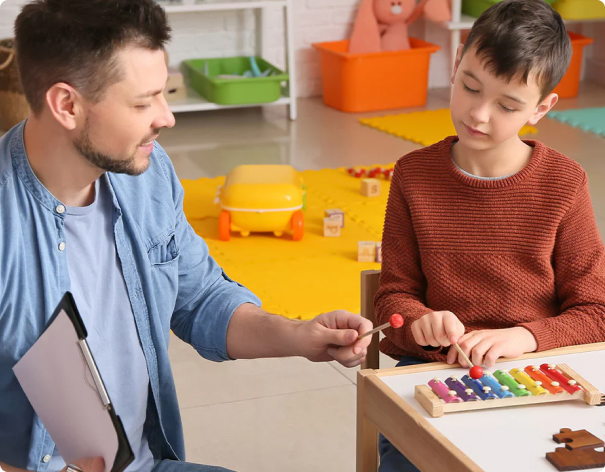

Assistive Technology
Assistive Technology (AT) can help individuals perform everyday tasks more safely, independently, and effectively. We assess individual needs, recommend suitable equipment, and provide supporting documentation where required.
Benefits of evidence-based psychology include:
- Mobility equipment
- Seating and positioning supports
- Communication devices
- Daily living aids
- Sensory support equipment
Meet Our Occupational Therapy Team
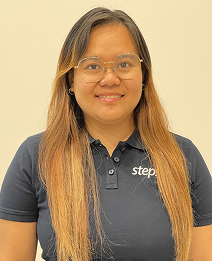
Alexandra
Occupational Therapist

Esther
Occupational Therapist

Patricia
Occupational Therapist
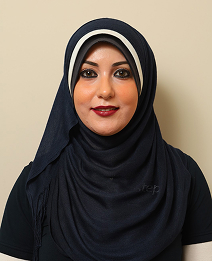
Rouqayya
Occupational Therapist

Timothy
Occupational Therapist
Frequently Asked Questions
Occupational therapy focuses on supporting individuals to participate in daily activities such as self-care, learning, and community involvement. Physical therapy, also known as physiotherapy, primarily focuses on movement, strength, and physical rehabilitation.
An occupational therapy assessment is a structured evaluation completed by an occupational therapist to understand functional abilities, challenges, and goals. It may include observation, standardised tools, interviews, and written reports where required.
Occupational therapy helps individuals develop practical skills needed for daily living, learning, work, and community participation. It also provides strategies, environmental adjustments, and recommendations to support independence and safety.
Occupational therapy is important because it supports participation in meaningful daily activities and promotes functional independence. It assists individuals in working towards personal goals within their home, school, workplace, and community environments.
You might benefit from seeing an Occupational Therapist if everyday activities are becoming difficult, frustrating, or overwhelming. Occupational therapists support people of all ages to develop, recover, or maintain the skills needed for daily life.
It may be the right time to see an OT if you or your child are experiencing:
For adults:
- Recovery from an injury, surgery, stroke, or illness
- Pain, fatigue, or reduced strength affecting daily tasks
- Difficulty managing work, study, or household activities
- Challenges with mobility, independence, or returning to work
- A need for practical strategies, equipment, or home/work modifications
For children:
- Delays in reaching developmental milestones
- Difficulties with fine motor skills like writing, cutting, or using utensils
- Trouble with dressing, feeding, or other self-care skills
- Sensory sensitivities (e.g., strong reactions to noise, textures, or movement)
- Challenges with attention, coordination, or participating in play and school activities
- Concerns about handwriting, school readiness, or motor planning
Occupational Therapy in Parramatta, Bankstown & Penrith